
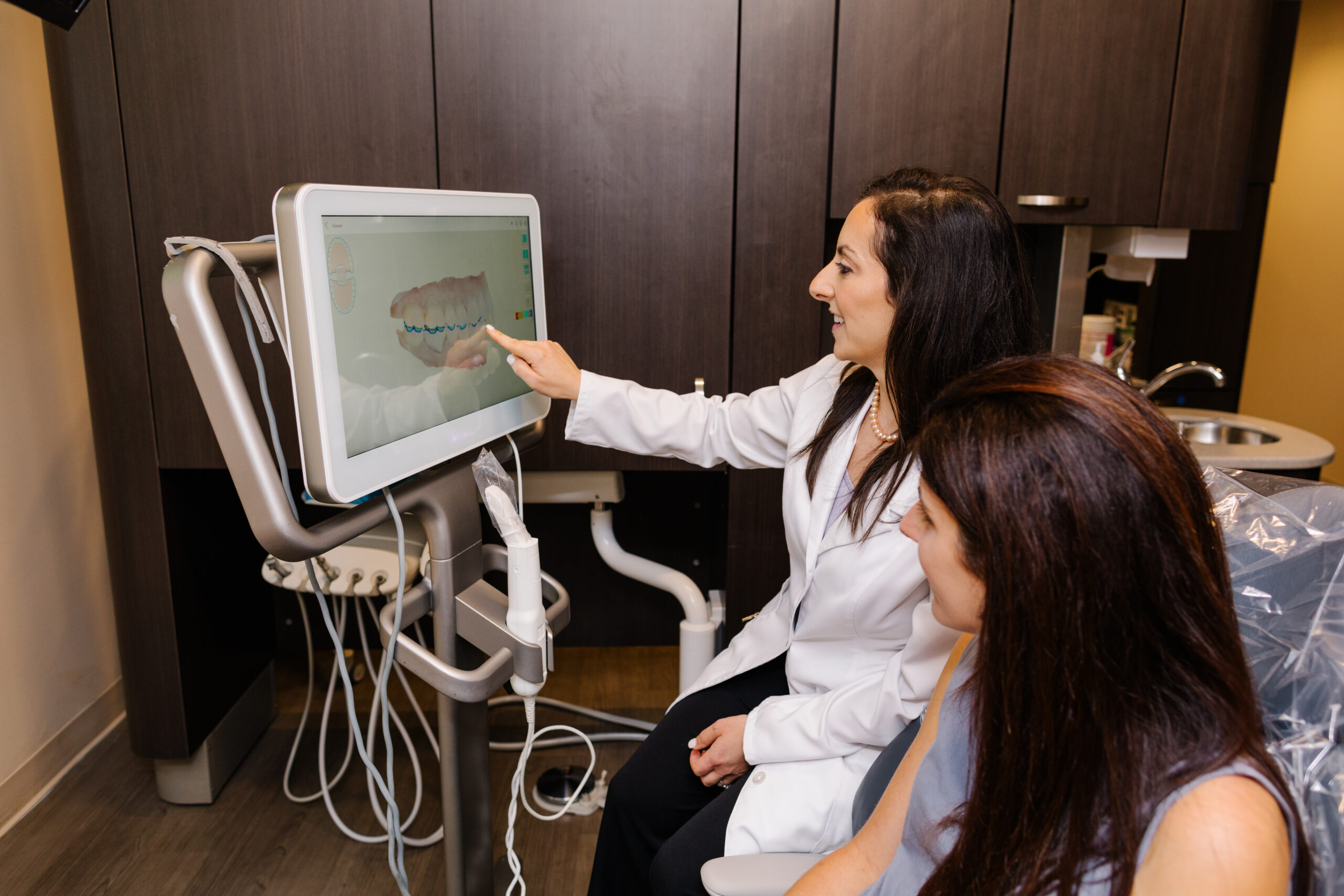
Pregnancy brings many changes to your body, including your oral health. Family dentistry becomes especially important during this time, as hormonal shifts increase your risk of dental problems that may affect both you and your developing baby.
Maintaining good oral health during pregnancy protects not only your smile but also your overall well-being and your baby’s health. Maintaining good oral health is an essential part of prenatal planning, as it is directly linked to positive pregnancy outcomes.
How Pregnancy Affects Your Oral Health
Pregnancy hormones, particularly estrogen and progesterone, cause changes throughout your body, including your mouth. Hormonal fluctuations increase blood flow to your gums, making them increasingly vulnerable to plaque and bacteria. As a result, pregnant women are more susceptible to gingivitis.
Your body’s immune response also changes during pregnancy, making it more difficult to fight off the bacteria that cause gum disease. This leads to swollen, tender, or bleeding gums, a condition known as pregnancy gingivitis. Additionally, some women experience pregnancy tumors, which are non-cancerous growths on the gums that typically appear during the second trimester.
Morning sickness also impacts your oral health. Regular vomiting exposes your teeth to stomach acid, which erodes tooth enamel and increases your risk of cavities. The changed eating patterns common during pregnancy, including frequent snacking or cravings for sugary foods, can further contribute to dental problems.
The Importance of Cosmetic Dentistry During Pregnancy
While major cosmetic procedures are often postponed until after delivery, maintaining your oral health during pregnancy can prevent issues that might later require more extensive treatment. Simple preventive measures and minor treatments can help ensure your smile stays healthy throughout pregnancy and beyond.
Regular cleanings become even more crucial during pregnancy to remove plaque and bacteria that your body is less able to fight off naturally. Professional cleanings prevent the progression of gingivitis to more serious periodontal conditions that might affect your pregnancy.
Safe Dental Treatments During Pregnancy
Most routine dental care is safe during pregnancy, and your dentist may actually recommend more frequent cleanings to help control pregnancy gingivitis. The second trimester is generally the safest time for dental treatments, as the risk of miscarriage decreases and you’re likely more comfortable than in the third trimester.
Preventive treatments such as cleanings, fluoride treatments, and routine X-rays with proper shielding are safe when necessary. Your dentist can also safely perform fillings, crowns, and other restorative procedures if needed to treat decay or damage.
However, elective procedures like teeth whitening are typically postponed until after delivery. While not necessarily harmful, it’s generally recommended to avoid treatments that aren’t essential during pregnancy.
Daily Oral Care Tips for Expectant Mothers
Expectant mothers should prioritize oral hygiene. We suggest you brush your teeth at least twice a day with a soft-bristle toothbrush, focusing on the gum line, a common area for pregnancy gingivitis. This helps prevent irritation to sensitive gums.
Floss daily to clear plaque and food particles between your teeth where your toothbrush can’t reach. If your gums are tender, be gentle but thorough in your cleaning routine. An antimicrobial mouthwash provides additional protection against bacteria.
If morning sickness makes brushing difficult, try switching to a milder toothpaste or brushing at different times of day when nausea is less severe. After vomiting, rinse with water or a fluoride mouthwash rather than brushing immediately, as your tooth enamel is temporarily softened by stomach acid.
Nutrition for Healthy Teeth and Gums
The food choices you make while pregnant influence both your oral health and your baby’s developing teeth. Calcium is necessary for strong teeth and bones in both you and your baby. Be sure to eat lots of calcium-rich foods such as dairy products and leafy greens.
Vitamin C helps maintain healthy gums and supports healing. Citrus fruits, strawberries, and vegetables like bell peppers provide this important nutrient. Phosphorus, found in meat, poultry, fish, and eggs, works with calcium to strengthen teeth.
Limit sugary snacks and drinks, which feed the bacteria that cause cavities. If you crave sweets, try to consume them with meals rather than as standalone snacks, and rinse with water afterward. Choose nutritious snacks like cheese, nuts, or vegetables that actually help protect your teeth.
When to Contact Your Dentist
Contact your dentist promptly if you experience persistent gum bleeding, swelling, or pain during pregnancy. These symptoms could indicate gingivitis or a more serious condition that requires professional treatment. Don’t assume that bleeding gums are simply a normal part of pregnancy that you must endure.
Seek immediate care for dental emergencies, such as severe tooth pain, swelling, or trauma. Untreated dental infections can potentially affect your pregnancy, so addressing problems promptly protects both you and your baby.
Schedule regular check-ups throughout your pregnancy, and inform your dentist about your pregnancy and any medications you’re taking. Your dental team can work with your obstetrician to ensure coordinated care that’s safe for both you and your developing baby.
Working with Our Team During Your Pregnancy
We know the unique needs of expectant mothers and prioritize both comfort and safety during dental visits. Our team stays current on the latest guidelines for dental care during pregnancy to provide you with the most appropriate treatment recommendations.
We also recognize that pregnancy can be an emotional time, and Dr. Patrice Robbins takes care to address any concerns you may have about dental treatment during pregnancy. Our goal is to help you keep your teeth and gums healthy throughout this special time while ensuring you feel confident and comfortable with your care. Contact us to schedule a consultation and learn how we can support your dental health throughout your pregnancy journey.