
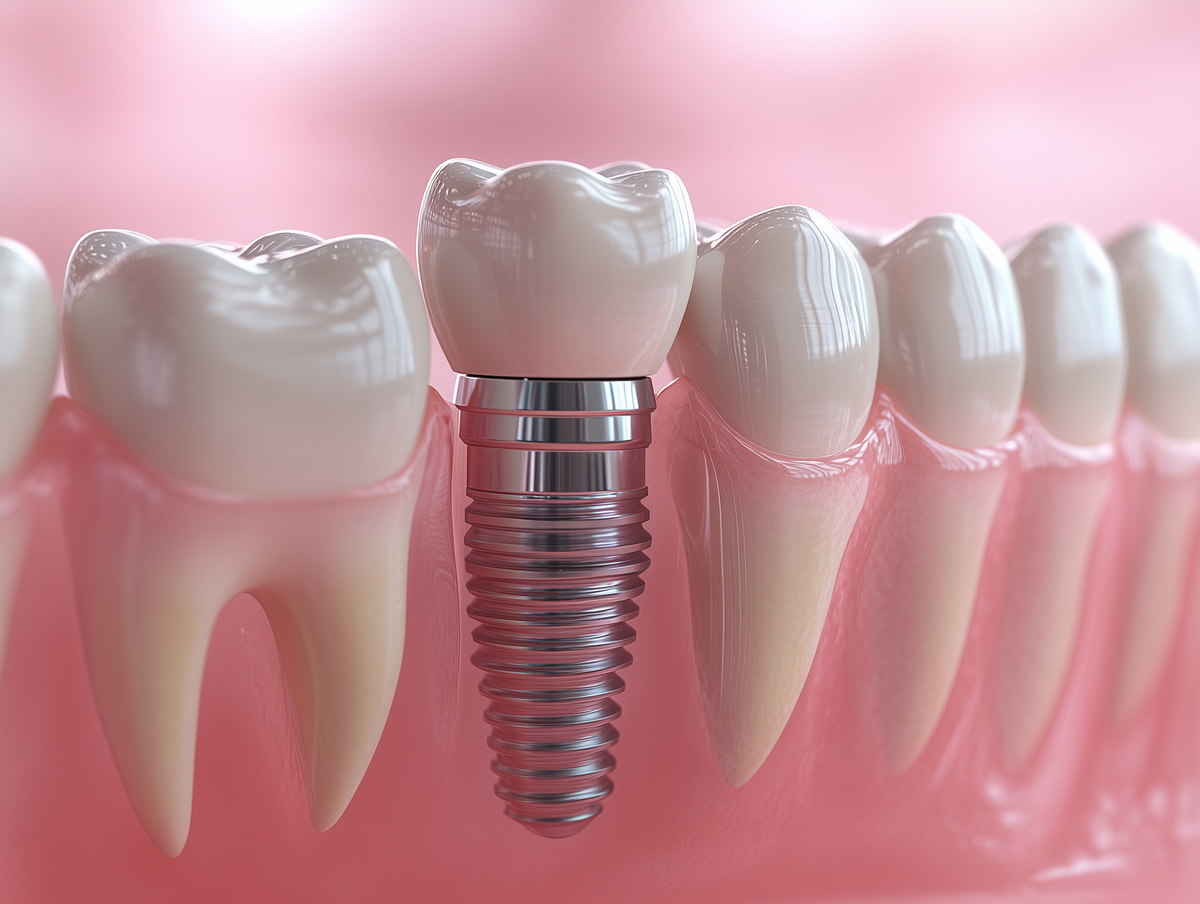
Preparing properly for dental implant surgery can make a significant difference in your comfort level, recovery time, and overall success. While the thought of oral surgery might feel overwhelming, knowing what to expect and how to get ready helps ease anxiety and sets you up for the best possible outcome. The steps you take before your procedure directly impact how smoothly everything goes, from the surgery itself to your healing process afterward.
At Brightworks Dentistry in Dunwoody, Dr. Patrice Robbins and Dr. Preston Shurley guide patients through every stage of the dental implant process with care and transparency. Our team provides detailed preparation instructions tailored to your specific situation, ensuring you feel confident and ready when your surgery day arrives.
Understanding the Pre-Surgery Consultation
Your journey toward dental implants begins with a thorough consultation where your dentist evaluates your oral health and discusses your treatment plan. This appointment provides the foundation for your entire implant experience, so coming prepared with questions helps you understand what lies ahead. Your dentist will review your medical history, take detailed images of your jaw and teeth, and explain the surgical process in clear terms.
During this consultation, be honest about any medications you take, including over-the-counter supplements and vitamins. Certain medications can affect bleeding or healing, so your dentist needs complete information to plan accordingly. Discuss any health conditions like diabetes, heart disease, or autoimmune disorders, as these can influence your surgical approach and recovery timeline. Research shows dental implants have a success rate of 95%, and proper planning contributes significantly to achieving these excellent results.
This is also the time to discuss sedation options if you feel anxious about the procedure. Understanding your comfort choices ahead of time removes one more source of stress as your surgery date approaches.
Medical and Medication Considerations
Several weeks before your surgery, your dentist will provide specific instructions about medications and supplements. Stop taking blood thinners, aspirin, and anti-inflammatory medications like ibuprofen about a week before surgery unless your physician advises otherwise. These medications can increase bleeding during and after the procedure, making healing more difficult.
Certain supplements also affect blood clotting and should be discontinued before surgery. Vitamin E, fish oil, ginkgo biloba, and garlic supplements can thin your blood, while vitamin C and other supplements may interact with anesthesia or antibiotics. Your dentist will give you a complete list of what to avoid, but when in doubt, ask.
If you take prescription medications for chronic conditions, continue them unless specifically instructed otherwise. Your dentist may prescribe antibiotics to take before surgery to prevent infection, especially if you have certain heart conditions or compromised immunity. Fill these prescriptions early so you’re not scrambling at the last minute.
Lifestyle Adjustments Before Surgery
The week leading up to your dental implant surgery is the time to make important lifestyle adjustments. If you smoke, stop at least two weeks before the procedure. Smoking constricts blood vessels, reduces oxygen delivery to healing tissues, and dramatically increases the risk of implant failure. Even temporary cessation improves your body’s ability to heal properly.
Alcohol consumption should also stop several days before surgery. Alcohol thins your blood, interferes with medications, and can complicate anesthesia. Focus instead on staying well-hydrated and eating nutritious meals to prepare your body for healing.
Stock your home with soft foods you can eat comfortably after surgery. Yogurt, applesauce, smoothies, mashed potatoes, scrambled eggs, and soup are all good choices. Having these ready means you won’t need to grocery shop while recovering. Arrange for someone to drive you home after surgery, especially if you’ll receive sedation. You shouldn’t drive or operate machinery for at least 24 hours after receiving sedation medications.
The Day of Your Surgery
On surgery day, wear comfortable, loose-fitting clothing and avoid wearing jewelry or contact lenses. Arrive with a clean mouth, having brushed and flossed thoroughly that morning. Follow your dentist’s fasting instructions carefully. If you’re receiving general anesthesia or IV sedation, you’ll typically need to avoid eating or drinking for several hours beforehand.
Bring your insurance information, identification, and any paperwork your dental office requested. Having these items organized reduces stress when you arrive. Consider bringing a book, headphones, or something else to help you relax in the waiting area if needed.
Don’t hesitate to communicate with your dental team about any concerns or questions. They’re there to support you through the process and want you to feel comfortable. Understanding what will happen during the procedure, how long it will take, and what sensations to expect helps reduce anxiety.
Preparing Your Recovery Space
Before your surgery, set up a comfortable recovery area at home. Stock your bedside table or a nearby surface with everything you’ll need: prescribed medications, over-the-counter pain relievers approved by your dentist, ice packs, extra gauze, a glass of water, and your phone charger. Having these items within easy reach means you won’t need to move around more than necessary during the first day or two.
Prepare several ice packs by placing them in your freezer the night before surgery. Applying ice to your face in 20-minute intervals during the first 48 hours significantly reduces swelling and discomfort. Plan to take at least two or three days off work, allowing your body time to begin healing without the stress of professional obligations.
Schedule Your Dental Implant Consultation at Brightworks Dentistry
Proper preparation makes your dental implant surgery smoother and sets the stage for successful healing and long-lasting results. At Brightworks Dentistry, Dr. Robbins and Dr. Shurley combine advanced surgical techniques with compassionate patient care to deliver exceptional implant outcomes. Our practice serves the Dunwoody community with comprehensive restorative dentistry services in a welcoming, comfortable environment where your concerns are heard and addressed.
Whether you’re replacing a single tooth or considering full mouth reconstruction, our team provides the guidance and support you need throughout your implant journey. Ready to restore your smile with dental implants? Contact Brightworks Dentistry today to schedule your consultation and take the first step toward a complete, confident smile.