
When restless nights turn into exhausted mornings and your partner complains about your snoring, you might be dealing with obstructive sleep apnea. This common condition affects millions of people who experience repeated breathing interruptions during sleep, leading to poor rest, daytime fatigue, and serious health risks if left untreated. The good news is that effective treatment options exist, but choosing between a sleep apnea appliance and a CPAP machine can feel overwhelming.
At Brightworks Dentistry in Dunwoody, Georgia, we help patients find comfortable, effective solutions for sleep apnea. Dr. Patrice Robbins and Dr. Preston Shurley offer custom oral sleep appliances as an alternative to traditional CPAP therapy, giving patients more options to achieve restful, healthy sleep. We understand everyone’s needs are different, which is why we provide free sleep testing as a courtesy to help determine which treatment approach makes the most sense for your situation.
How CPAP Machines Work
CPAP stands for Continuous Positive Airway Pressure. These machines deliver a steady stream of pressurized air through a mask you wear during sleep. The constant air pressure prevents your throat muscles from collapsing and blocking your airway. CPAP therapy is highly effective at reducing apnea events when used consistently throughout the night.
Many people achieve excellent results with CPAP treatment. The machines reduce breathing interruptions, improve oxygen levels, and help patients wake feeling more refreshed. Modern CPAP devices include features like heated humidification, ramp settings, and data tracking that can make therapy more comfortable and allow your doctor to monitor your progress.
The CPAP Compliance Challenge
Despite their effectiveness, CPAP machines present adherence challenges for many users. The mask can feel uncomfortable or claustrophobic. Some people struggle with the noise, air pressure sensation, or finding a mask style that fits properly. Dry mouth, skin irritation, and difficulty traveling with bulky equipment are common complaints. Studies consistently show that a significant percentage of patients either refuse CPAP treatment or discontinue use within the first year.
When patients cannot tolerate CPAP therapy consistently, the treatment’s effectiveness diminishes significantly. Using your CPAP only a few nights per week provides minimal health benefits compared to nightly use. This compliance issue has led many healthcare providers to explore alternative treatment approaches for appropriate candidates.
How Sleep Apnea Appliances Work
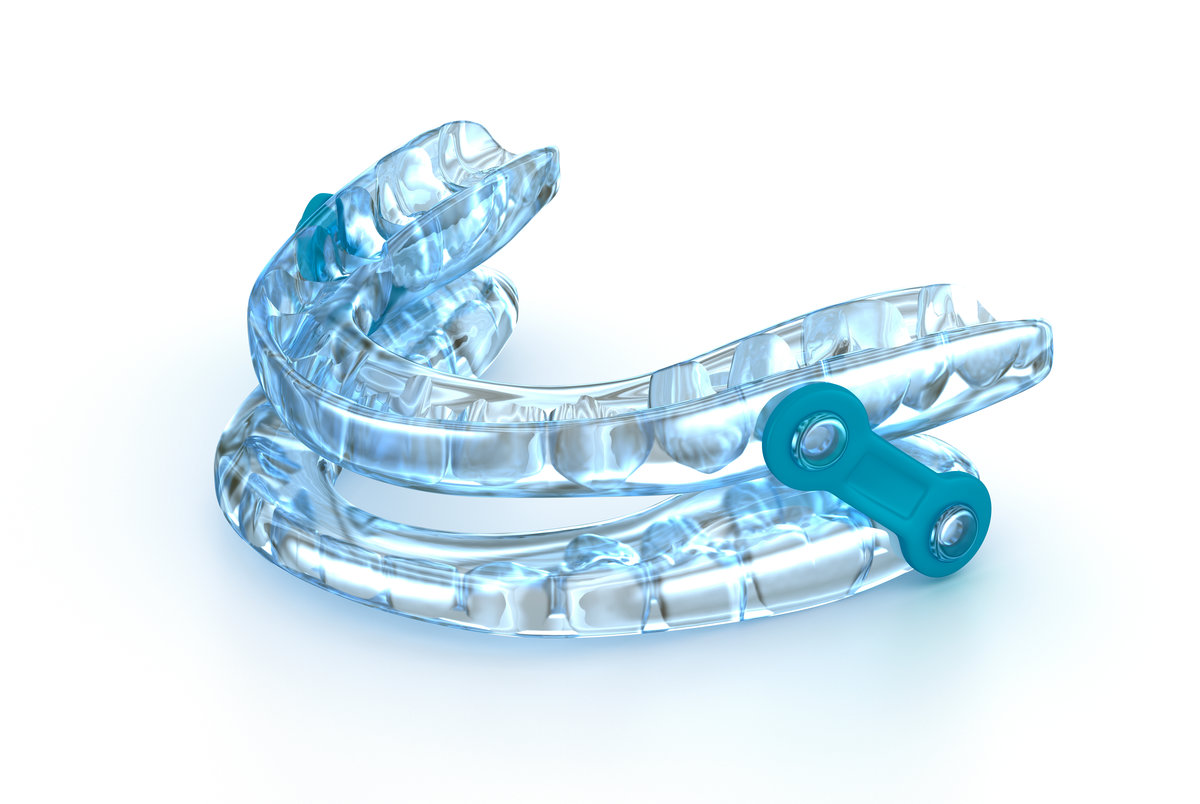
Oral appliances for sleep apnea look similar to nightguards or athletic mouthguards. Custom-made by dentists, these devices reposition your lower jaw slightly forward during sleep. This jaw advancement opens your airway by preventing your tongue and soft tissues from collapsing backward and blocking breathing passages.
We create each appliance specifically for your mouth structure, ensuring a comfortable, secure fit. The devices are small, portable, and silent. Many patients find them much easier to travel with and more comfortable to wear than CPAP masks. You simply insert the appliance before bed and remove it in the morning.
Benefits of Oral Appliance Therapy
Sleep apnea appliances offer several advantages that make them attractive alternatives for many patients. The small size means easy portability for travel or overnight stays. There are no masks covering your face, no machines making noise, and no electricity required. Most people adjust to wearing the appliance within a few nights.
Research shows that patient preference often favors oral appliances over CPAP therapy. The improved comfort leads to better compliance, meaning patients actually use their treatment consistently. We can adjust your appliance over time to optimize its effectiveness as your needs change. For people with mild to moderate sleep apnea, oral appliances frequently provide excellent results.
When CPAP Remains the Better Choice
CPAP therapy typically shows greater effectiveness for severe sleep apnea compared to oral appliances. If you have an apnea-hypopnea index above 30, CPAP may be the most appropriate first-line treatment. Some anatomical factors can also make CPAP more suitable for certain patients.
Your insurance coverage might influence your treatment decision as well. Many insurance plans cover CPAP more readily than oral appliances, though coverage for dental sleep medicine is expanding. Discussing both options with your healthcare providers helps you understand what your plan covers and what out-of-pocket costs you might face.
Making Your Choice at Brightworks Dentistry
Choosing between sleep apnea appliances and CPAP machines should not feel like a gamble with your health. Both options have proven effectiveness when used consistently, and the right choice depends on your individual circumstances. We encourage patients to discuss both approaches with their sleep physicians and dentists to make informed decisions.
At Brightworks Dentistry, Dr. Robbins and Dr. Shurley combine their extensive training with genuine concern for your wellbeing. We offer comprehensive sleep apnea consultations including free sleep testing to assess your condition accurately. Our custom oral appliances represent an investment in comfortable, consistent treatment that fits your lifestyle. Whether you need an alternative to CPAP or want to explore all your treatment options, we provide personalized care that helps you sleep better and live healthier. Contact our Dunwoody office today to schedule your sleep apnea consultation and discover which treatment approach works best for you.